

UK citizens can legally get married in Greece from UK post-Brexit by obtaining a Certificate of No Impediment (CNI) from their local UK register office after a 29-day notice period, getting UK documents apostilled through the FCDO Legalisation Office, arranging certified Greek translations, and submitting to the Greek municipality. The process takes 3-4 months, costs £200-400, and your marriage is recognized in the UK without re-registration as long as it’s valid under Greek law.
Table of Contents
If you’re planning your destination wedding in Greece as a UK citizen, there are specific legal requirements you’ll need to navigate to make your marriage official. The process has changed slightly since Brexit, but the good news is that it’s still straightforward when you know the steps.
Having helped couples navigate the Greek wedding paperwork process, I can tell you that while it may seem overwhelming at first, breaking it down into manageable steps makes everything much clearer. The essentials remain the same: gather the required UK documents, obtain FCDO apostille certification, secure your Certificate of No Impediment from your UK register office, arrange certified Greek translations, apply for your Greek marriage license, and follow a realistic timeline.
If you’re mindful of this early and take it one step at a time, this should be a relatively easy and stress-free process. Below is a step-by-step guide, grounded in official sources so that you can plan with confidence. At the end of the article, I’ve added an extensive list of websites in both the UK and Greece with all relevant information.
NOTE: If you are not a UK citizen, I additionally have articles on general requirements for getting legally married in Greece as well as for US and Australian citizens:
Legally Getting Married in Greece General Overview
Getting Leggaly Married in Greece as a US Citizen
Legally Getting Married in Greece as a Australian Citizen
I built a free calculator using real vendor quotes from across Greece. Enter your guest count and preferences and it builds a full estimate, VAT included.
Quick Reference: UK Citizens Getting Married in Greece
| REQUIREMENT | DETAILS |
| Timeline | 3-4 months total preparation |
| Key Documents | Apostilled birth certificate, CNI from UK register office, valid passport |
| CNI Notice Period | Minimum 29 days before CNI issued |
| License Processing | ~8 days after submission to municipality |
| License Validity | 6 months |
| Registration Deadline | Within 40 days after ceremony at Civil Registry |
| Residency Required? | No, UK citizens can marry without living in Greece |
Understanding Post-Brexit Changes for UK Citizens
Since the UK left the European Union, British citizens are now considered third-country nationals when getting married in Greece from UK. This means a slightly different process than EU citizens follow, but it’s absolutely still manageable when you understand the steps.
The most significant change is the apostille requirement. Your UK documents now need authentication from the Foreign, Commonwealth & Development Office (FCDO) Legalisation Office before Greek authorities will accept them. Think of it as an official stamp of approval that Greece recognizes your British paperwork. Since both the UK and Greece are members of the 1961 Hague Apostille Convention, this follows a standardized international process with clear procedures.
Another important change: The British Embassy and Consulate in Greece don’t issue Certificates of No Impediment for UK citizens. Instead, you’ll obtain your CNI from your local UK register office after giving notice, the same process UK residents follow for domestic weddings. This actually simplifies things because you handle most UK paperwork before traveling to Greece, rather than scheduling appointments at foreign consulates.
What is an Apostille and Why Your UK Documents Need One
Before we go into the details of the documents required to legally tie the knot in Greece, let’s cover apostilles first, as they’re needed for nearly all documents you’ll submit to Greek authorities.
A Hague Apostille is a standardized certificate under the 1961 Hague Convention that authenticates the signature, seal, or office of the public official who issued your document, making it legally recognized in Greece. It doesn’t verify the document’s content, it only confirms the authority of the person who signed it.
For UK citizens getting married in Greece from UK, apostilles are issued by the Foreign, Commonwealth & Development Office (FCDO) Legalisation Office, which is the UK’s designated competent authority. You can apply online for either a paper apostille or an e-Apostille through the official gov.uk website. The current government fees are £45 for a paper apostille and £35 for an e-Apostille.
When I mention UK apostille in this guide, I’m referring to a Hague Apostille issued by the FCDO. Greece requires apostille certification (not authentication or legalization) since both countries are Hague Convention members.
Important note: Some Greek municipalities still prefer paper apostilles over e-Apostilles, even though both are legally valid. Before choosing the electronic option, confirm with your specific town hall (Δήμος, Dimos in Greek) whether they accept e-Apostilles. This small verification can save you time and the cost of reapplying with paper versions.
Greek Marriage Eligibility Requirements for UK Citizens
There’s no national residency requirement to marry in Greece. UK citizens can legally get married in Greece from UK as long as they meet the documentation requirements. However, some municipalities may still ask for a local address when processing your application. It’s worth checking this detail early with your chosen town hall to avoid surprises.
Civil Weddings
Civil ceremonies are conducted by a mayor or civil official at the town hall (municipality) or an authorized venue. They become fully legal once you register the marriage at the Civil Registry Office (Ληξιαρχείο, Lixiarcheio) within 40 days of your ceremony. Late registration comes with fees and potential complications, so don’t miss this important deadline.
Religious Weddings
Religious weddings are also legally binding in Greece, provided you meet the church’s document requirements and complete registration at the Civil Registry within 40 days. For a Greek Orthodox wedding, at least one partner needs to be baptized Orthodox.
Expect additional church requirements beyond the civil documentation: baptismal certificates, letters from your home parish, and church approvals. These are ecclesiastical rules that vary depending on which parish your church belongs to. It’s crucial to verify with your chosen church early about timings and any extra paperwork they require.
Symbolic Ceremonies
Many UK couples choose to stage a symbolic ceremony for the celebration instead of going through the process of obtaining a Greek marriage license. This option lets you avoid the legal bureaucracy. You’d handle your civil registration back home in the UK and enjoy a beautiful celebration in Greece without Greek legal requirements. No Greek paperwork or permit is required for symbolic ceremonies.
Same-Sex Marriage
Since February 16, 2024, same-sex marriage has been legal in Greece. Same-sex couples from the UK can legally marry in Greece following the same civil wedding process outlined in this guide.
Essential Documents for UK Citizens Getting Married in Greece
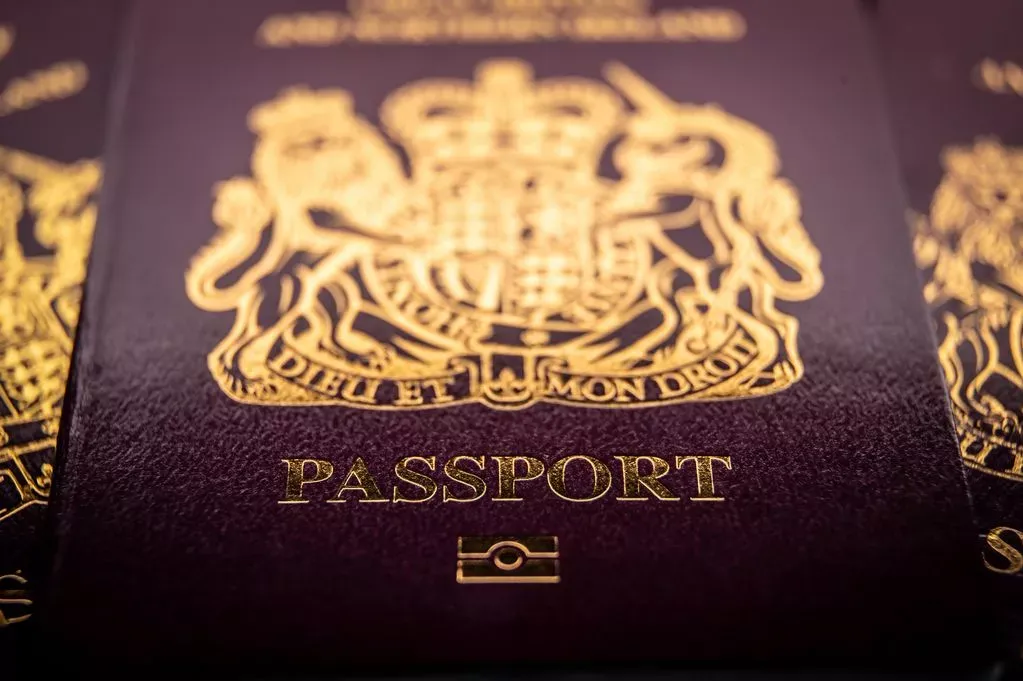
Your municipality’s list is the final word, but UK citizens typically prepare the following documents. Always confirm with your chosen Greek town hall early in your planning.
Certificate of No Impediment (CNI), Your Most Crucial Document
This proves you’re legally free to marry. UK citizens getting married in Greece from UK cannot obtain CNIs from the British Embassy in Athens or Consulate in Thessaloniki, this is a major difference from some other nationalities. You must get your CNI from your local UK register office.
How to obtain your CNI:
- Give notice at your local UK register office (you must have lived in that district for the required period)
- Wait the mandatory 29-day notice period
- Your CNI is issued after the notice period completes
- Your ceremony must take place within 12 months of giving notice
Notice fees (England & Wales):
- £42 per person (standard rate)
- £57 per person if referred under Home Office rules
- Local councils may charge small additional booking or administrative fees
After receiving your CNI:
- Get it apostilled by the FCDO Legalisation Office (£35-45)
- Have it translated into Greek by a certified translator from the Greek Ministry of Foreign Affairs Register
- Submit to your Greek municipality within the validity period (typically 6 months, but confirm with your specific town hall)
The CNI has a limited validity period once issued, so timing is important. Most Greek municipalities require that it’s been issued within three to six months of your application submission. Verify the exact timeframe with your municipality.
Birth Certificates
Both partners need full birth certificates (long-form showing both parents’ names). Short-form certificates are not acceptable to Greek authorities.
What you need:
- Original or certified copies from the UK General Register Office or local register office
- FCDO apostille on each certificate
- Certified Greek translation by an official translator from the Greek MFA Register
Valid Passports
Both partners must present valid UK passports with at least six months’ validity beyond your departure date from Greece. While some sources say Greece requires six months’ validity, I recommend having this buffer to avoid any complications with municipal officials.
Some municipalities request clear passport scans during the pre-check phase before you submit your full application. Bring both originals and copies to your appointments.
Divorce Decree Absolute or Death Certificate (if applicable)
If either partner was previously married, you’ll need documentation of how that marriage ended.
For divorced individuals:
- Original or certified copy of your Divorce Decree Absolute (in England and Wales, this is now called a Final Order as of April 2022)
- FCDO apostille
- Certified Greek translation
For widowed individuals:
- Death certificate of your late spouse
- FCDO apostille
- Certified Greek translation
Name changes: If you’ve changed your name via deed poll or any other legal process, that document also needs apostilling and translating. All your documents must show consistent names, any discrepancies can delay or complicate your application.
Two Witnesses for Your Ceremony
Civil ceremonies in Greece require two adult witnesses with valid identification (passport or national ID card). Witnesses can be of any nationality. They don’t need to be UK citizens. Many couples use their wedding planner, venue coordinator, or local Greek friends as witnesses.
Interpreter consideration: Since civil ceremonies are conducted in Greek, one witness often serves as an interpreter to help you understand the proceedings. However, some municipalities require official certified interpretation services in addition to your witnesses. Verify this requirement early with your town hall so you can arrange proper interpretation if needed. From a legal standpoint, ceremonies may be considered invalid without proper interpretation.
Still not sure what to actually book first?
In one hour on a call, I’ll help you map what to book and in what order, with no vendor commissions. You keep the whole plan in writing.
Founding rate, 15% off. Full refund if the hour doesn’t give you a clear way forward.
The Apostille Process: Your Step-by-Step Guide
The apostille process for UK citizens getting married in Greece from UK follows clear steps once you understand the system.
Step 1: Obtain Your Original UK Documents
Order certified copies of your full birth certificate from the General Register Office or your local UK register office. Give notice at your local register office and collect your CNI after the mandatory 29-day waiting period. If previously married, obtain certified copies of your Decree Absolute (Final Order) or Death Certificate from the relevant UK authorities.
Step 2: Submit to FCDO Legalisation Office for Apostilles
Once you have your original UK documents, submit them to the Foreign, Commonwealth & Development Office Legalisation Office for apostille certification. You can apply online through the official portal at gov.uk/get-document-legalised.
Current FCDO fees (2025 onwards):
- Paper apostille: £45 per document
- e-Apostille: £35 per document
Processing times:
- Standard service: 2-3 weeks
- Priority service: approximately 1 week (additional fee)
- Super priority: 1-2 business days (higher additional fee)
Pro tip: If you’re ordering paper apostilles, factor in postage time for sending documents to the FCDO and receiving them back. If you choose e-Apostille, verify first with your Greek municipality that they accept electronic apostilles. Some town halls still prefer traditional paper versions.
Step 3: Arrange Certified Greek Translations
After your UK documents carry proper apostilles, they need certified Greek translations. Not all translators qualify as certified translators in Greece. Greek authorities will reject translations from uncertified translators, so this step is critical.
The Greek Ministry of Foreign Affairs maintains an official Register of Certified Translators. You can search for English-certified translators on the official Greek government portal.
Where to find certified translators:
The Greek Government’s list of certified English / Greek translators can be found here.
Important points:
- The British Embassy in Athens and UK Consulate in Thessaloniki do not provide translation services for marriage documents
- You must hire certified translators directly from the official MFA register or work with a Greek lawyer who can arrange certified translations
- Translations must include the translator’s official stamp and certification
Costs and timing:
Translation costs vary by translator, typically ranging from £75-150 per document. Turnaround times range from a few days to two weeks depending on the translator’s workload and the season. Peak wedding season (May through September) requires longer lead times, so plan accordingly and get quotes from multiple certified translators.
Many UK couples find it more convenient and cost-effective to have translations done directly in Greece rather than arranging everything from the UK, especially if you’re working with a Greek wedding planner who has established relationships with certified translators.
Complete Timeline: Getting Married in Greece from UK

For timeline purposes, I’m assuming your municipality requires documents issued within three months of submission. This was our experience, though timeframes can vary. Always confirm the specific validity periods with your chosen Greek town hall.
As Soon as You Choose Your Greek Wedding Location
Choosing your wedding location early gives you several important advantages. It helps you secure popular vendors (good ones book quickly), and it allows you to verify specific legal requirements with local authorities well in advance.
Contact your chosen municipality or church immediately to confirm:
- Which documents they require specifically
- Validity periods for CNI and other documents
- Whether an official interpreter is needed for your ceremony
- Whether they require marriage announcement publication in local newspapers (some municipalities still do, though it’s rare)
- Whether they accept e-Apostilles or only paper versions
From a legal perspective, ceremonies may be considered invalid without proper interpretation, so clarifying the interpreter requirement early is essential. This early verification prevents last-minute stress and gives you wiggle room to adjust your timeline if needed.
4-5 Months Before Your Wedding
Give notice at your UK register office to start the CNI process. This is arguably the most important step because there’s a mandatory 29-day minimum waiting period before your CNI is issued. Don’t skip or delay this step, it’s not something you can rush later.
Remember that your ceremony must take place within 12 months of giving notice, so time this appropriately with your wedding date.
Check your passport validity. Greece requires passports valid for at least six months beyond your departure date. UK passport processing times vary:
- Routine service: 6-8 weeks
- Expedited service: 2-3 weeks (additional fee)
- Emergency service: Available in certain circumstances
If you don’t have a passport or yours expires within eight months of your Greek wedding, apply for renewal immediately. Processing delays can occur during peak travel seasons, especially summer months.
3-4 Months Before Your Wedding
Order UK vital records if you haven’t already. Get full birth certificates (long-form showing parents’ names) from the General Register Office or your local register office. If either partner was previously married, order certified copies of Decree Absolute or Death Certificates. Check processing times with issuing authorities, as these can vary.
Collect your CNI from your local UK register office once the 29-day notice period is complete.
8-10 Weeks Before Your Wedding
Obtain FCDO apostilles for all your UK documents: CNI, birth certificates, and any divorce or death certificates. Submit through the gov.uk portal and choose your service level based on your timeline. If ordering paper apostilles, remember to factor in postage time both ways.
3-5 Weeks Before Your Wedding
Commission certified Greek translations for every UK document you’ll submit. Contact translators from the official Greek MFA Register of Certified Translators and get quotes. Allow sufficient time for the translation work, especially during peak wedding season when translators are busier.
If required by your municipality: Arrange for marriage announcement publication in local Greek newspapers and save the newspaper page as proof. Not all municipalities still require this, but some do. Your wedding planner or town hall can guide you on this requirement.
2-3 Weeks Before Your Wedding
Submit your complete marriage license application to your chosen Greek municipality. Many municipalities accept pre-checks by email (sending scans first to verify everything is complete before you submit originals), which can keep the processing timeline realistic.
Typical processing time is approximately eight days once your complete file is submitted, though this can vary by municipality. Your marriage license, once issued, is valid for six months.
Confirm your witnesses and interpreter arrangements. Make sure your two witnesses have valid identification and understand their role. If your municipality requires certified interpretation services beyond having a witness who speaks both languages, finalize those arrangements now.
Your Wedding Day
Civil ceremonies are conducted in Greek and require two adult witnesses with valid passports or Greek national IDs. One witness often serves as interpreter, though some municipalities require additional certified interpretation services as mentioned earlier.
The ceremony itself is usually brief and follows a standard format. Your officiant (typically the mayor or a civil registrar) will guide you through the proceedings.
Within 40 Days After Your Ceremony
Register your marriage at the local Civil Registry Office (Ληξιαρχείο, Lixiarcheio in Greek). This is the same office as your local town hall where you obtained your license. Late registration incurs e-Paravolo penalty fees, and unregistered marriages lack full legal recognition under Greek law.
If you’re flying back to the UK shortly after your wedding, you can set up a Power of Attorney so a trusted person (often your wedding planner or a local contact) can register the marriage and collect your official marriage certificate on your behalf. The Power of Attorney needs to be properly notarized.
Registration timeline penalties:
- Registration after 90 days: Small e-Paravolo fines apply
- Registration after 180 days: Larger fines and additional administrative complications
- Don’t miss the 40-day window to avoid these issues entirely
After Registration: Using Your Greek Marriage Certificate in the UK
Once your marriage is registered, you’ll receive your official Greek marriage certificate. If you need to use this document in the UK (for name changes, updating records, etc.), you should:
- Get the Greek marriage certificate apostilled by Greek authorities
- Have it translated into English by a certified translator
Keep the Greek certificate safe. The UK doesn’t have a central marriage registry, so your Greek certificate is your official proof of marriage.
Where to Submit Documents and Applications
Greek Municipality (Δήμος, Dimos)
You (or your wedding planner with Power of Attorney) will apply for your marriage license before the ceremony and register the marriage at the Civil Registry (Ληξιαρχείο, Lixiarcheio) within 40 days after the ceremony.
What you need to know:
- Turnaround time: Many municipalities quote approximately eight days once your complete file is submitted. Greek public service guidance indicates licenses are typically issued within about a week.
- Validity: Marriage licenses are typically valid for six months after issuance, which gives you flexibility in scheduling your ceremony.
- Fees: Many town halls require a small e-Paravolo payment for license processing. Approximately €18 appears on official service pages (fee code 2386). Bring your payment receipt when submitting documents.
- Local announcements: Some municipalities still require a brief marriage announcement in local newspapers before issuing the license. Check with your Δήμος early, as this requirement varies by location.
Pro tip: Many municipalities accept pre-checks by email. You can send scans of your documents first to verify everything is complete before traveling to Greece to submit originals. This helps ensure a smooth eight-day processing timeline and catches any issues early.
British Embassy Athens and Consulate Thessaloniki
Here’s where UK citizens getting married in Greece from UK differ significantly from some other nationalities:
CNIs are NOT issued by UK embassies or consulates in Greece. UK citizens must obtain their Certificate of No Impediment from their local UK register office after giving notice in the UK. The British Embassy in Athens and UK Consulate in Thessaloniki do not issue CNIs for Greek weddings.
Translation services: UK diplomatic posts in Greece do not provide translation services. For certified Greek translations, you must hire professionals from Greece’s official Register of Certified Translators.
Notarial services: The British Embassy has scaled back notarial services that local Greek providers (such as Greek notaries) can perform. For most marriage-related notarization, you’ll work with Greek notaries rather than UK consular staff.
When you might contact the British Embassy:
- Emergency consular assistance
- Passport issues while in Greece
- General guidance about UK-Greece matters
But for routine Greek wedding paperwork, the Embassy is usually not involved in the process.
Processing Times & Associated Fees
Understanding the costs and timelines helps you budget properly and avoid surprises.
Greek Marriage License
- Processing time: Approximately 8 days after complete file submission
- Validity: Typically 6 months from issuance
- Fee: Approximately €18 via e-Paravolo in many municipalities (confirm with your specific Dimos / Δήμος)
Always verify current requirements with your chosen municipality, as local rules and fees can vary.
UK “Give Notice” and CNI Process
- Minimum notice period: 29 days before your CNI is issued
- Ceremony timeframe: Must take place within 12 months of giving notice
- Notice fees: £42 per person in England and Wales (£57 if referred under Home Office rules)
- Additional costs: Local councils may charge small booking or administrative fees
These are statutory fees published by local register offices across England and Wales.
UK Apostilles from FCDO Legalisation Office
- Paper apostille: £45 per document
- e-Apostille: £35 per document
- Processing time: 2-3 weeks standard service (expedited options available for additional fees)
Check current fees on the official gov.uk website, as government fee schedules can change.
Certified Greek Translations
- Cost: Market-based pricing, typically £75-150 per document
- Timing: A few days to two weeks depending on translator workload and season
- Where to find: Greek Ministry of Foreign Affairs Register of Certified Translators
Get quotes from multiple certified translators to compare pricing and availability. Translation costs can vary significantly between translators.
Total Estimated Costs for UK Citizens
For never-married couples: £200-400 total
If one partner previously married: £300-500 total
If both partners previously married: £400-600 total
Cost breakdown:
- Greek marriage license: ~€18 (~£15-20)
- UK register office notice: £42 per person (£84 for couple)
- FCDO apostilles: £35-45 per document (typically 3-4 documents = £105-180)
- Certified Greek translations: £75-150 per document (typically 3-4 documents = £225-600)
Money-saving tips:
- Get quotes from multiple certified translators, rates differ significantly
- Consider having translations done in Greece rather than the UK if you’re working with a local wedding planner
- If ordering paper apostilles, group your documents together to save on postage
- Apply for standard processing times rather than expedited if your timeline allows
These costs cover only legal paperwork. Not your venue, photography, accommodation, or other wedding expenses.
If you are ready to start building the full wedding budget beyond the paperwork, the free cost calculator covers all the main categories using real vendor quotes from across Greece.
Common Mistakes UK Citizens Should Avoid
Trying to Get a CNI from the British Embassy
This is the most common mistake. UK citizens cannot obtain Certificates of No Impediment from the British Embassy in Athens or UK Consulate in Thessaloniki. Your CNI must come from your local UK register office after giving the required 29-day notice. Plan this into your timeline from the start.
Skipping the Apostille or Using the Wrong Authentication
Greece requires Hague apostilles from the FCDO Legalisation Office on all UK public documents. Simple notarization isn’t sufficient. Some municipalities still prefer paper apostilles over e-Apostilles, so confirm acceptance before choosing electronic versions to avoid reapplying.
Using Uncertified Translators
Greek authorities only accept official translations by professionals listed in the Greek Ministry of Foreign Affairs Register of Certified Translators. Translations from uncertified translators, even if technically accurate, will be rejected. The British Embassy and Consulate in Greece don’t provide translation services, so you must hire certified translators directly.
Ignoring Municipality-Specific Requirements
Not all Greek town halls follow exactly the same procedures. Some still require marriage announcement publication in local newspapers before issuing licenses. Many quote approximately eight days for license processing, and licenses are typically valid for six months, but local variations exist. Contact your specific municipality early to confirm their exact requirements and timelines.
Missing Critical Timelines
Don’t overlook the UK’s 29-day minimum notice period for your CNI, and definitely don’t miss Greece’s 40-day post-ceremony registration deadline at the Civil Registry (Ληξιαρχείο). Late registration triggers e-Paravolo penalty fees, additional administrative steps, and potential complications with legal recognition.
Submitting Short-Form Documents or Mismatched Names
Greece requires long-form birth certificates showing both parents’ names. Short-form certificates are not acceptable. If you’ve changed your name via deed poll, been divorced (Decree Absolute/Final Order), or been widowed (Death Certificate), those documents must also be apostilled and translated. All your names must match consistently across every document, or you’ll face delays and complications.
Not Arranging Power of Attorney When Needed
If you’re flying back to the UK shortly after your ceremony, set up a properly notarized Power of Attorney so a trusted person can register your marriage and collect your official certificate on your behalf. Without this, you may need to return to Greece or face significant delays in obtaining your marriage certificate.
Assuming There’s a Residency Requirement
There’s no national residency requirement for UK citizens to legally get married in Greece. However, practical considerations like appointment availability, office hours, and document courier times mean you should arrive in Greece with buffer time to submit originals and address any last-minute issues that arise.
Not Confirming E-Apostille Acceptance
While e-Apostilles are legally valid, some Greek municipalities still prefer traditional paper apostilles with physical stamps. Before paying for e-Apostilles from the FCDO, confirm explicitly with your Greek town hall that they accept electronic versions. This simple check prevents having to reapply for paper versions later.
Helpful Resources for UK Citizens
Getting Married Abroad (General Guidance)
GOV.UK, Getting married or registering a civil partnership abroad: https://www.gov.uk/marriages-civil-partnerships-abroad
Overview for British nationals planning weddings in foreign countries.
Required Documents for UK Citizens Abroad
GOV.UK, Documents for British people abroad: https://www.gov.uk/guidance/documents-for-british-people-abroad
Detailed information about which documents you may need, including CNIs.
UK Notice of Marriage Process
GOV.UK, Give notice of marriage: https://www.gov.uk/marriages-civil-partnerships/give-notice
Complete information about the 29-day rule and 12-month ceremony window.
Apply for UK Apostilles
GOV.UK, Get your document legalised (apostille): https://www.gov.uk/get-document-legalised
Fees, processing times, and online application portal for FCDO apostilles.
Certified Greek Translators
GOV.GR, Search the Register of Certified Translators: https://metafraseis.services.gov.gr/search/
Official Greek Ministry of Foreign Affairs register.
Greek Marriage License Process
MITOS (gov service portal), Issue of a civil marriage licence: https://en.mitos.gov.gr/index.php/%CE%94%CE%94%3AIssue_of_a_civil_marriage_licence
Information about eight-day completion time and six-month validity.
Apostille for Greek Documents
HCCH, Greece: Competent Authorities for the Apostille: https://www.hcch.net/en/states/authorities/details3/?aid=323
If you need to apostille your Greek marriage certificate for use in the UK.
British Embassy Athens
GOV.UK, British Embassy Athens: https://www.gov.uk/world/organisations/british-embassy-athens
General consular information and fees. Note: CNIs are issued by UK register offices, not the Embassy.
Schengen Stay Limits
European Commission, EU Visa Policy: https://home-affairs.ec.europa.eu/policies/schengen/visa-policy_en
Information about the 90/180 Schengen rule for UK travelers.
ETIAS (Pre-Travel Authorization)
European Union, ETIAS: https://travel-europe.europa.eu/etias_en
Information about the planned ETIAS system (launch date after EU Entry/Exit System goes live).
UK Name Change After Marriage
GOV.UK, Change your name on your passport: https://www.gov.uk/changing-passport-information/name-marriage-and-civil-partnership
How to update your UK passport after marriage.
DVLA, Change the name on your driving licence: https://www.gov.uk/change-name-driving-licence
How to update your UK driving license.
UK Recognition of Foreign Marriages
GOV.UK, Recognition of foreign marriage and civil partnership letters: https://www.gov.uk/guidance/recognition-of-foreign-marriage-and-civil-partnership-letters
Information about the place-of-celebration principle and UK recognition.
FAQ: UK Citizens Getting Married in Greece
Before the Wedding: Requirements, Documents & Planning
Yes. UK citizens can legally get married in Greece from UK post-Brexit by following Greek procedures. Give notice at your UK register office, obtain your Certificate of No Impediment (CNI) after the 29-day waiting period, get it apostilled by the FCDO, translate your documents into Greek using certified translators, apply for a local Greek marriage license, and register the marriage within 40 days at the Civil Registry (Ληξιαρχείο, Lixiarcheio) after your ceremony. Same-sex civil marriage has been legal in Greece since February 2024.
Yes. Greece legalized same-sex civil marriage on February 16, 2024. Same-sex couples from the UK can legally marry in Greece following the same civil wedding process outlined in this guide. All documentation requirements and procedures are identical regardless of the couple’s gender composition.
The exact list may vary by municipality, but UK citizens typically need: valid passports (originals plus scans), full long-form birth certificates with UK apostille and certified Greek translation, CNI from your UK register office (after 29-day notice) with UK apostille and Greek translation, and if applicable, Decree Absolute/Final Order for divorce or Death Certificate if widowed (each with UK apostille and Greek translation). You’ll also need two adult witnesses with valid ID for your ceremony. Check with your municipality whether official Greek interpretation during the ceremony is required and plan accordingly. Translations must be done by professionals registered on Greece’s Register of Certified Translators.
The complete process takes approximately 3-4 months from start to finish. This includes the UK’s mandatory 29-day notice period for your CNI, time for FCDO apostille processing (2-3 weeks standard), arranging certified Greek translations (1-2 weeks), and Greek municipality license processing (approximately 8 days). You should start the process at least four months before your desired wedding date to allow buffer time for any delays or unexpected requirements.
Registration Costs
Total costs for UK citizens getting married in Greece from UK range from approximately £200-400 for never-married couples, £300-500 if one partner was previously married, and £400-600 if both were previously married. This includes UK register office notice fees (£42 per person), FCDO apostilles (£35-45 per document for 3-4 documents), certified Greek translations (£75-150 per document for 3-4 documents), and the Greek marriage license fee (approximately €18). These costs cover only legal paperwork, not wedding venue, photography, or other celebration expenses.
After the Wedding: Registration & UK Registration
Yes. The UK automatically recognises marriages that are legally valid where they took place, under the “place-of-celebration” principle. You do not need to register your Greek marriage in the UK. Your Greek marriage certificate serves as legal proof. Provide a certified English translation and Greek apostille if requested by UK authorities for name changes, passport updates, or official records.
No. The UK automatically recognizes foreign marriages if they’re valid where celebrated under the place-of-celebration principle. There’s no UK registration step required. Keep your Greek marriage certificate (plus apostille and English translation if needed) as proof. You don’t need to report or register your marriage with any UK authority when you return home.
Yes. The Civil Registry Office allows a proxy with properly notarized Power of Attorney to register your marriage and collect your official certificate on your behalf. This is common for destination wedding couples who return home shortly after their ceremony. Many couples arrange this through their Greek wedding planner or a trusted local contact. Just ensure the Power of Attorney is properly prepared and notarized before you leave Greece.
For more Frequently Asked Questions on Greek Weddings, Please check my FAQ page.
